

Severe Weather Safety SWMS
This SWMS covers planning, monitoring and responding to severe weather conditions that may affect work activities.
Activities covered include
- Planning work around expected weather conditions
- Assessing work at heights during adverse weather
- Reviewing weather procedures and recorded learnings
Download immediately
Your editable Word and PDF files are ready to download after purchase.
Acceptance guaranteed
If your client or principal requests changes during document review, BlueSafe will help revise the document at no extra cost and support resubmission until it is accepted.
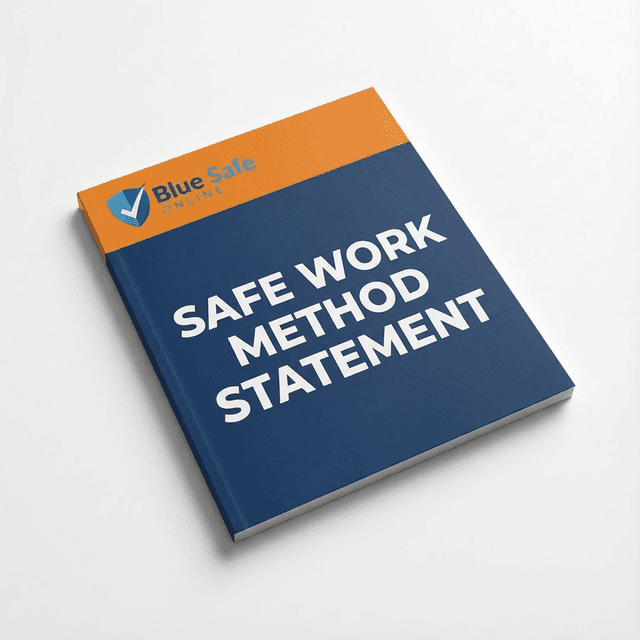
- 100% Compliant with Australian WHS Acts & Regulations
- Fully Editable MS Word & PDF Formats Included
- Pre-filled Content - Ready to Deploy Immediately
- Customisable - Easily Add Your Logo & Site Details
- Includes 2 Years of Free Compliance Updates
Product Overview
This SWMS covers planning, monitoring and responding to severe weather conditions that may affect work activities. It supports the identification and management of risks associated with heat, rain, wind, storms, electrical conditions, access, vehicles, welfare and recovery.
Activities & Specific Tasks Covered
This document includes task-specific risk controls for:
- Planning work around expected weather conditions
- Briefing workers on changing weather hazards
- Managing heat exposure, hydration and hot surfaces
- Controlling wet surfaces, pooling water and reduced visibility
- Restricting work affected by high winds
- Managing electrical risks in wet weather
- Assessing work at heights during adverse weather
- Managing vehicle and mobile plant movement in weather
- Preparing for storms and emergency conditions
- Monitoring worker welfare and weather-related fatigue
- Inspecting work areas and controls after severe weather
- Reviewing weather procedures and recorded learnings
Who is this for?
Suitable for contractors, workers, supervisors and businesses working in conditions affected by severe weather.
Specific Job Steps & Hazards Covered
| Job Step / Activity | Potential Hazards |
|---|---|
| Pre-start weather planning |
|
| Weather hazard awareness briefing |
|
| Heat exposure management |
|
| Rain and surface condition control |
|
| High wind work restrictions |
|
| Electrical safety in wet weather |
|
| Working at heights in weather |
|
| Vehicle and mobile plant in weather |
|
| Emergency preparedness for storms |
|
| Worker welfare and fatigue in weather |
|
| Post-weather inspection and recovery |
|
| Documentation and continuous improvement |
|
Need to add specific site requirements?
Use the BlueSafe Portal to tailor this SWMS with site-specific details, job steps, hazards, controls and responsibilities before work starts.
Acceptance Guaranteed: If your client or principal requests changes during document review, BlueSafe will help revise the document at no extra cost and support resubmission until it is accepted.
Legislation & References
The template includes references relevant to the documented work, including:
- WHS Act 2011 - primary duty of care, consultation with workers, instruction/training/supervision
- WHS Regulations 2011 - risk management, emergency plans, remote or isolated work, PPE, falls, electrical risks, construction work
- Managing the Work Environment and Facilities Code of Practice - heat/cold, outdoor work, shelter, drinking water, remote or isolated work
- Managing the Risk of Falls at Workplaces Code of Practice - weather conditions, ladders, fall prevention
- First Aid in the Workplace Code of Practice - first aid for extreme temperatures and emergency response
Standard SWMS Features (Click to Expand)
- Task-specific job steps, hazards and control measures
- Initial and residual risk ratings
- Assigned responsible persons for each job step
- Plant, equipment and PPE requirements where applicable
- Permits, qualifications and high-risk construction work details where applicable
- Worker consultation, sign-off and review sections
Suitable for Industries
Related templates
$79.50
$96.80
Includes all formats + 2 years updates
Acceptance guaranteed
If your client or principal requests changes during document review, BlueSafe will help revise the document at no extra cost and support resubmission until it is accepted.
$79.50
$96.80
One-time payment